

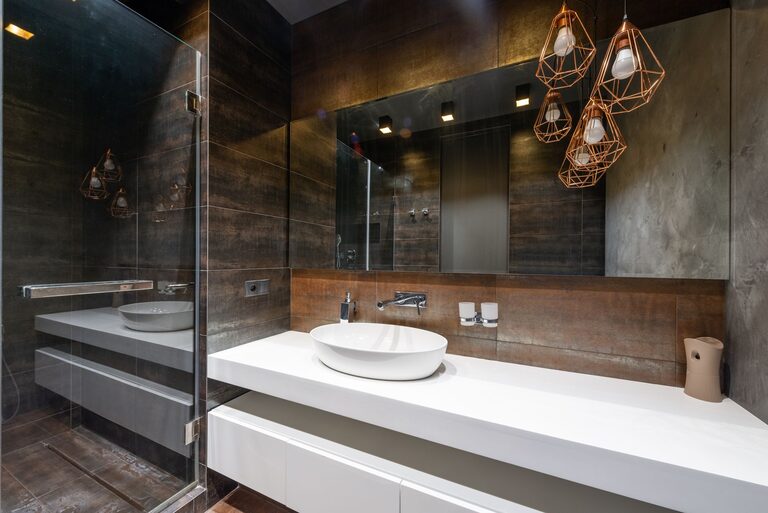
Creating a minimalist bathroom setup is a wonderful way to bring calm and order into one of the most used spaces in your home. Minimalism isn’t just about having fewer things—it’s about making thoughtful choices that promote ease, simplicity, and a serene atmosphere. Whether you’re planning a full bathroom remodel or just want to refresh your current space, this guide will walk you through the key elements to achieve a minimalist bathroom design.
Why Choose a Minimalist Bathroom?
Minimalism focuses on functionality, simplicity, and beauty without excess. For bathrooms, this translates into easier maintenance, less clutter, and a relaxing environment that feels spa-like. A minimalist bathroom can make your morning routine smoother and your evenings more peaceful.
Here are some benefits:
– Simplifies cleaning and upkeep
– Creates a timeless and elegant space
– Maximizes space, especially in smaller bathrooms
– Reduces stress by minimizing visual clutter
Step 1: Plan Your Layout Thoughtfully
Every minimalist design starts with a good plan. Consider your bathroom’s size and shape carefully. Aim for an open, airy layout that allows easy movement.
– Choose fixtures that fit the space proportionally.
– Avoid overcrowding—prioritize only essential elements.
– Think about natural light sources and how to maximize them.
– Incorporate storage solutions that keep items out of sight.
Step 2: Select a Neutral Color Palette
Minimalist bathrooms typically rely on soft, neutral colors. Whites, beiges, soft grays, and muted tones create a clean and calming feeling.
Tips for color selection:
– Paint walls in light shades to enhance brightness.
– Use contrasting textures rather than bright colors (e.g., smooth tiles with matte cabinetry).
– Keep towels and accessories in the same neutral palette or subtle complementary colors.
Step 3: Opt for Simple, Functional Fixtures
Choose bathroom fixtures that are sleek and unadorned.
Sink and Vanity
– Select a wall-mounted or floating vanity to create more floor space.
– Use integrated sinks with clean edges to avoid excess visual details.
– Consider vanity units with built-in storage for a streamlined look.
Shower and Bathtub
– Frameless glass shower enclosures enhance openness.
– Minimalist bathtubs often have simple shapes — rectangular or oval without ornate legs or embellishments.
– Use modern fixtures with smooth handles and finishes like matte black, brushed nickel, or chrome.
Step 4: Embrace Quality Materials with Clean Lines
Material choice plays a big role in minimalist design. Look for high-quality surfaces that feel natural and simple.
– Consider porcelain or large-format tiles to reduce grout lines.
– Use wood or wood-look materials sparingly for warmth but in clean-cut forms.
– Quartz and solid surface countertops combine durability with minimalist aesthetics.
Step 5: Keep Storage Hidden and Organized
Clutter quickly disrupts the minimalist vibe. Focus on discreet storage options:
– Floating shelves with baskets or boxes can keep necessities tidy.
– Medicine cabinets with mirrored fronts add practicality and hide items.
– Under-sink cabinets and drawers help store cleaning supplies and toiletries out of sight.
Step 6: Incorporate Minimalist Accessories
Limit bathroom accessories to those you truly need or that add a subtle design touch:
– Choose simple soap dispensers and toothbrush holders in neutral tones.
– Use clear glass or simple ceramic containers for cotton balls or other items.
– Add a small plant or one piece of art that reflects calmness without overpowering the space.
Step 7: Maintain Consistency and Routine
A minimalist bathroom requires ongoing effort to keep clutter at bay. Establish daily habits:
– Put products back in their designated storage spots after use.
– Regularly clear expired or unused items.
– Use multi-purpose products to reduce the number of bottles and containers.
Bonus Tips for a Minimalist Bathroom Makeover
– Lighting: Use recessed or simple pendant lights to avoid bulky fixtures.
– Mirrors: Large, unframed mirrors amplify light and create openness.
– Flooring: Choose slip-resistant, easy-to-clean materials to marry safety with style.
– Hardware: Keep drawer pulls and knobs minimal or opt for touch-to-open cabinetry.
Conclusion
Creating a minimalist bathroom setup is about balancing function with form. With thoughtful layout planning, neutral colors, streamlined fixtures, and smart storage, you can transform your bathroom into a peaceful retreat. Keep your space uncluttered and simple, and you’ll enjoy a calming environment every day. Minimalism in the bathroom isn’t just a trend—it’s a lifestyle choice that promotes clarity and comfort.
Embrace these tips to design your own minimalist bathroom, and enjoy the beauty of simplicity in your daily routine.