

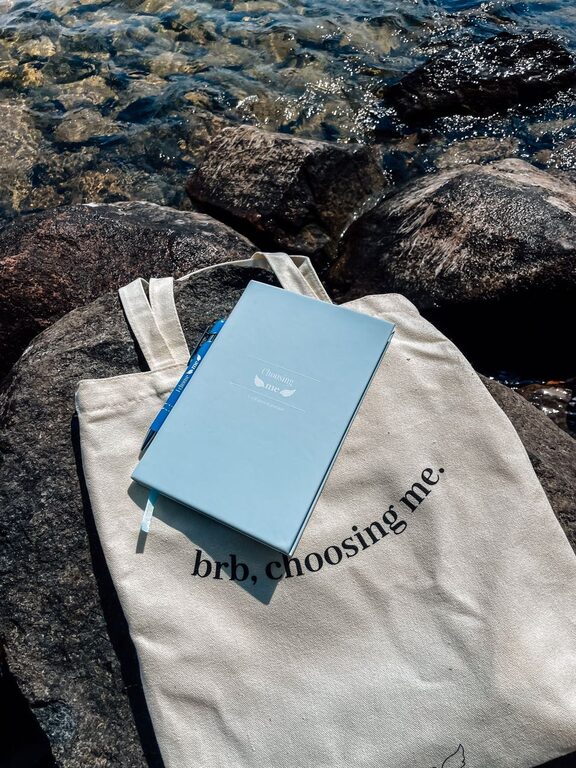
Choosing the right notebook can make a big difference in how often you use it and how helpful it is for your daily tasks. Whether you want to jot down ideas, plan your week, or keep a journal, a notebook that suits your style and needs is key. Here’s a detailed guide to help you pick a notebook you’ll actually want to use.
Why Choosing the Right Notebook Matters
A notebook isn’t just a place to write; it’s a tool that can inspire creativity, keep you organized, and make your day-to-day life easier. If your notebook doesn’t feel right, you might avoid using it altogether. So, taking time to select one that matches your preferences helps you stay consistent and motivated.
Consider Your Purpose
Before shopping, think about how you’ll use the notebook. This will guide many decisions.
Common Uses
– Journaling: Personal reflection or creative writing.
– Note-taking: For school, meetings, or lectures.
– Planning: Organizing your schedule or to-do lists.
– Brainstorming: Sketching ideas or mind maps.
– Creative projects: Drawing, doodling, or scrapbooking.
Knowing your primary use helps determine size, paper type, and binding.
Choose the Right Size and Format
Notebook sizes vary widely, and size impacts portability and ease of use.
Popular Sizes
– Pocket-sized (3.5″ x 5.5″): Compact and easy to carry, ideal for quick notes on the go.
– A5 (5.8″ x 8.3″): A versatile size, easy to transport and spacious enough to write comfortably.
– A4 (8.3″ x 11.7″): Large format, perfect for detailed notes or sketches but less portable.
Format Types
– Lined: Best for writing and note-taking.
– Blank: Great for drawing or free-form notes.
– Dot grid: A flexible option helpful for bullet journaling or diagrams.
– Grid: Useful for technical work or charts.
Choose a format that matches how you like to write or draw.
Paper Quality Matters
Paper quality affects how your pen or pencil glides and how well the ink holds up.
What to Look For
– Weight: Measured in grams per square meter (gsm); heavier paper (80 gsm or more) reduces ink bleed-through.
– Texture: Smooth paper is good for writing; textured paper suits sketching.
– Color: White or cream pages are common; cream is easier on the eyes.
If you plan to use markers or fountain pens, look for thicker paper.
Binding and Durability
How a notebook is put together influences how it opens and its longevity.
Binding Options
– Spiral: Easy to flip pages fully but can get bent or damaged.
– Sewn: Durable and lays flat well but may be harder to fold back.
– Glue (perfect bound): Sleek and compact but pages may loosen over time.
– Hardcover vs. Softcover: Hardcovers protect contents better, while softcovers are lightweight.
Pick a binding style that fits how you plan to carry and use the notebook.
Extras to Consider
Some notebooks come with additional features that might enhance your experience.
– Page numbers: Helpful for referencing.
– Index or table of contents: Great for organized note-taking.
– Bookmarks or ribbons: Keep your place easily.
– Pockets: Store loose papers or notes.
– Elastic bands: Keep the notebook closed and secure.
Decide which extras matter most to you.
Set a Budget
Notebooks range from a few dollars to premium options costing $20 or more. You don’t need the most expensive one, but investing in quality may encourage more consistent use. Consider how much you’re willing to spend based on your needs.
Test Before You Commit
If possible, try writing on sample pages at a store or order a small notebook first. This hands-on experience will help you feel the paper, check the size, and judge overall comfort.
Maintain Your Notebook
Once you choose your notebook, make it a habit to use it regularly. Keep it with you, set aside a few minutes daily, and personalize it with your notes, sketches, or plans. Maintaining your notebook turns it from paper into a valuable tool.
Final Thoughts
Choosing a notebook you’ll actually use is about matching it to your lifestyle and preferences. By considering purpose, size, paper quality, binding, extras, and budget, you can find a notebook that feels just right. When your notebook works for you, it becomes a trusted companion in staying organized and inspired. Happy writing!