

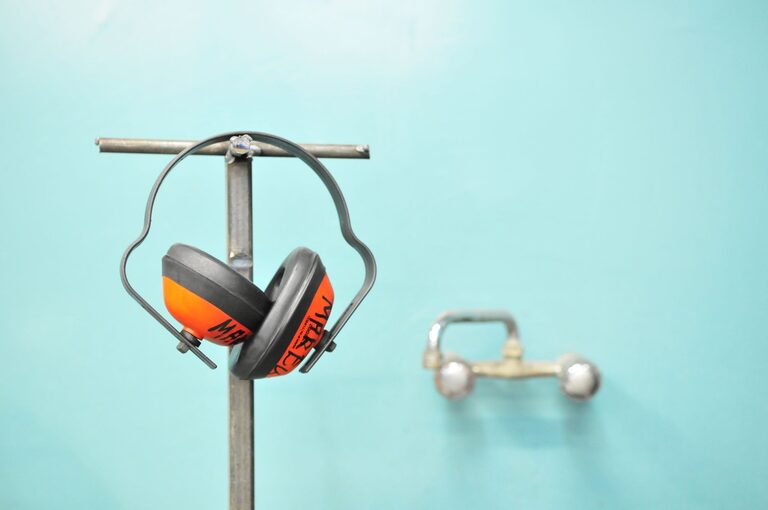
Creating a quiet and peaceful home environment is essential for relaxation, concentration, and overall well-being. Whether you live in a busy neighborhood, near a main road, or have noisy neighbors, unwanted sounds can disrupt your comfort. Fortunately, there are simple and practical ways to reduce noise at home without costly renovations. In this post, we’ll explore effective strategies to help you achieve a calmer space.
Understanding Noise and Its Impact
Before diving into solutions, it’s helpful to know what causes noise and how it affects you. Noise can come from outside sources like traffic, construction, or neighbors, as well as from inside your home, such as loud appliances or conversations. Constant noise can increase stress levels, disturb sleep, and reduce productivity. Reducing noise improves your home’s atmosphere and can boost your mood.
Simple Ways to Reduce Noise at Home
1. Use Soft Furnishings to Absorb Sound
Hard surfaces reflect sound waves, causing noise to bounce around rooms. Adding soft furnishings can absorb sound and reduce echo.
– Rugs and Carpets: Place rugs or carpets on hardwood or tile floors. Thick, plush rugs are especially effective.
– Curtains and Drapes: Hang heavy curtains over windows to block noise from outside. Consider using blackout curtains, which also help with insulation.
– Cushions and Upholstery: Sofas, chairs, and cushions made of fabric help absorb sound.
2. Seal Windows and Doors
Sound easily passes through gaps and cracks around windows and doors. Sealing these spaces can greatly reduce noise intrusion.
– Weatherstripping: Apply weatherstripping tape around window and door frames to seal gaps.
– Door Sweeps: Install door sweeps at the bottom of doors to block sound from hallways or outside.
– Seal Cracks: Use caulk to fill any cracks or gaps around window frames and walls.
3. Rearrange Furniture for Sound Buffering
Strategic furniture placement can create barriers that block or absorb sound.
– Place Bookshelves Against Shared Walls: Fill shelves with books to act as sound insulators.
– Position Sofas and Chairs Away from Noise Sources: Create a buffer zone by placing furniture between you and noisy walls or windows.
– Use Room Dividers: Portable screens or room dividers can help reduce noise in open areas.
4. Add Sound-Absorbing Panels or Decor
If noise is a persistent issue, consider installing sound-absorbing materials on walls or ceilings.
– Acoustic Panels: These come in decorative designs and can be easily mounted to absorb sound.
– Fabric Wall Hangings and Tapestries: Large fabric decorations absorb sound better than bare walls.
– Plants: Large leafy plants help reduce noise by trapping sound waves and adding natural beauty.
5. Use White Noise Machines or Fans
Sometimes masking unwanted noise is an effective strategy.
– White Noise Machines: These devices produce a consistent sound that masks irregular noises, helping with sleep and focus.
– Fans or Air Purifiers: The steady hum of fans or air purifiers can also drown out disruptive sounds.
6. Manage Noise From Appliances and Electronics
Internal noise can add up and become irritating.
– Choose Quiet Appliances: When possible, select appliances known for quiet operation.
– Maintain Regularly: Keep appliances clean and well-maintained to prevent loud vibrations.
– Use Pads or Mats: Place vibrating appliances like washing machines on rubber pads to reduce noise transmission through floors.
7. Soundproof Your Floors and Ceilings
If noise travels from neighbors above or below, consider these options:
– Area Rugs with Padding: Adding thick rugs with extra padding can muffle footsteps.
– Acoustic Ceiling Tiles: These can reduce noise coming from upper floors.
– Carpet Underlays: If you have carpet, install an acoustic underlay beneath it for better soundproofing.
Final Tips for Maintaining a Quiet Home
– Limit Loud Activities: Be mindful of noise levels when playing music, watching TV, or using power tools.
– Communicate with Neighbors: Politely addressing noise issues with neighbors can sometimes be the easiest solution.
– Create Quiet Zones: Designate specific rooms or areas for relaxation where noise is minimized.
Reducing noise at home doesn’t require expensive products or remodeling. Simple steps like adding soft materials, sealing gaps, and strategically arranging furniture can make a noticeable difference. By implementing these tips, you can enjoy a quieter, more comfortable living space.